

July 2026 Newsletter | 1st Edition
Announcing the 1st LEO-funded EO Pilot ESOP: North Arrow ABA, Must Family Owners Exit After an ESOP? and the latest EO news curated for you…
MICEO UPDATE
MICHIGAN'S FIRST EMPLOYEE-OWNED ABA FIRM
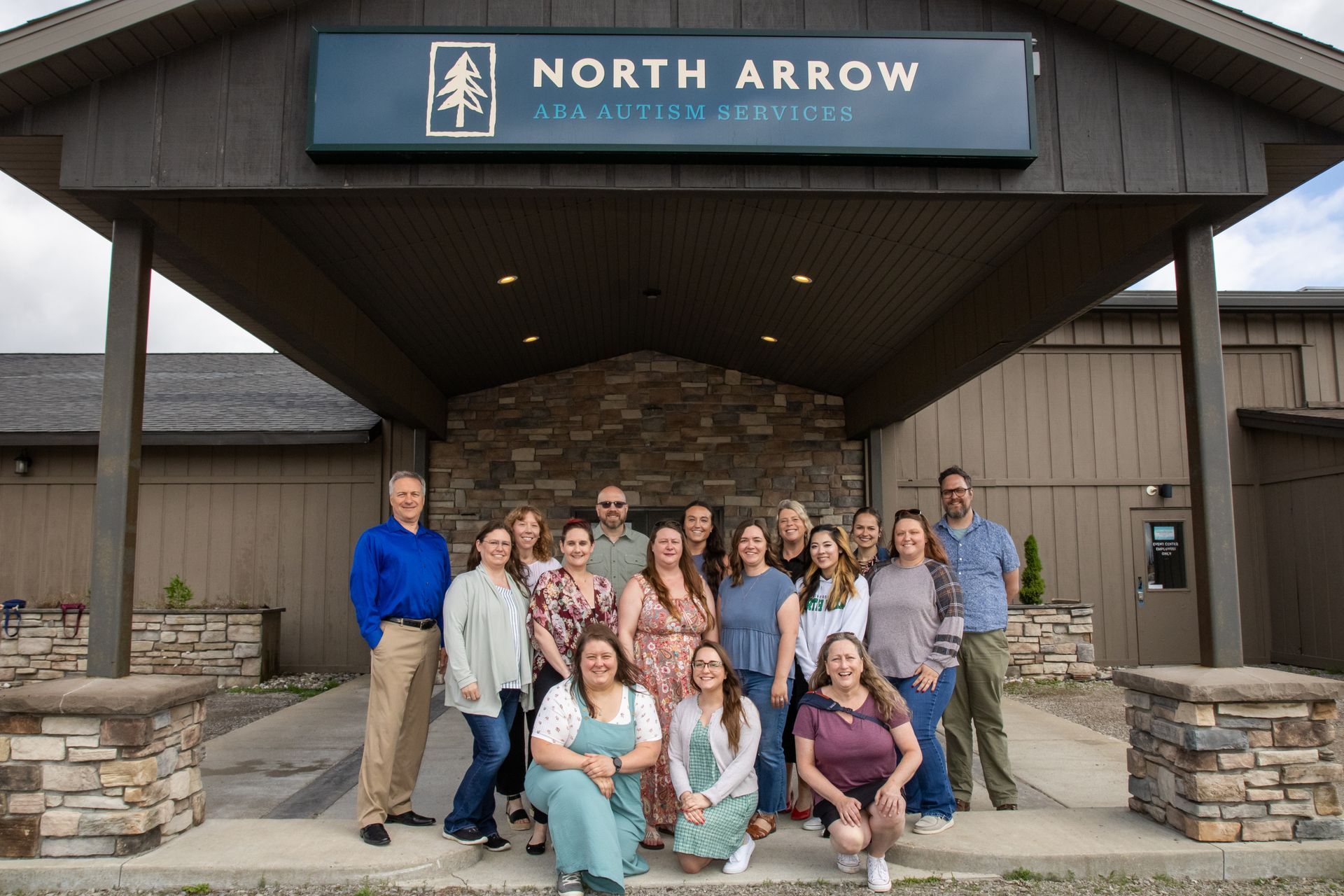
Under the Michigan Department of Labor and Economic Opportunity’s (LEO’s) Transition to Employee Ownership Pilot Program – in partnership with MICEO – North Arrow ABA has become the first Applied Behavior Analysis (ABA) provider in Michigan to transition to employee ownership. Effective July 2026, the North Arrow ABA’s more than 180 employees will become employee-owners through an Employee Stock Ownership Plan (ESOP).
Rather than pursuing a traditional sale, North Arrow ABA chose employee ownership to preserve its culture, reward its employees, and ensure long-term stability for the organization and the families it serves. With eight locations across Michigan and plans for continued growth, North Arrow ABA is demonstrating how employee ownership can strengthen healthcare organizations while creating wealth-building opportunities for employees.
With thousands of Michigan business owners nearing retirement—many without an exit plan—LEO’s Transition to Employee Ownership Pilot Program helps businesses create their own buyers—preserving jobs, community roots, and operational continuity. Click HERE to learn more – or fill out an intake form. Even if you don't qualify for funding, MICEO will point you in the right direction for your business and find partners who can help guide you through this process.
EMPLOYEE OWNERSHIP FAQs
MUST FAMILY OWNERS EXIT AFTER AN ESOP?
ESOPs can be an attractive option for family-owned businesses. Family members can still run the company, even if the company becomes 100% employee owned, but many family-owned businesses keep some of the ownership in the family and some in the ESOP. To help you decide if an ESOP is right for your business, create an initial business plan that factors in legal costs, the costs to buy the shares, and the company's cash flow. Then have a valuation done to determine how much your stock is worth and the practicality of selling these shares. Learn more HERE.
At any point in the process, you might want to talk to other businesses like yours that have made the transition.
If you'd like to learn more about transitioning your business to an employee ownership model, check out the resources on MICEO’s website or reach out to Roy today!
EMPLOYEE OWNERSHIP RESOURCES
LEARN MORE ABOUT EMPLOYEE OWNERSHIP
In The U.S., Employee-Owned Trusts Enter The Exit Space – This Forbes article discusses how EOTs are now gaining traction in the U.S. Unlike an ESOP, an EOT skips the tax advantages but offers lower setup costs, more flexible governance, and a structure designed to keep the business intact and mission-driven in the long run.
Purpose Trusts and EOTs: Expanding the Ownership Conversation – This episode of the Owners at Work podcast discusses the growing momentum behind Employee Ownership Trusts (EOTs) as a flexible, mission-driven alternative for business succession that helps founders preserve their company's values, reward employees, and enure long-term stewardship.
Why Selling to an ESOP Costs Less than Selling to Another Buyer – A new
NCEO
paper finds that selling a business to an ESOP typically costs between 2% and 4% of the transaction value, compared with 4% to 9% for sales to other buyers. Learn why an ESOP can be a more cost-effective succession option for many business owners.